Select Format / Edition
Book Details
- Language
- English
- Paper Quality
- 80gsm Off-White Creamy Pages
Synopsis
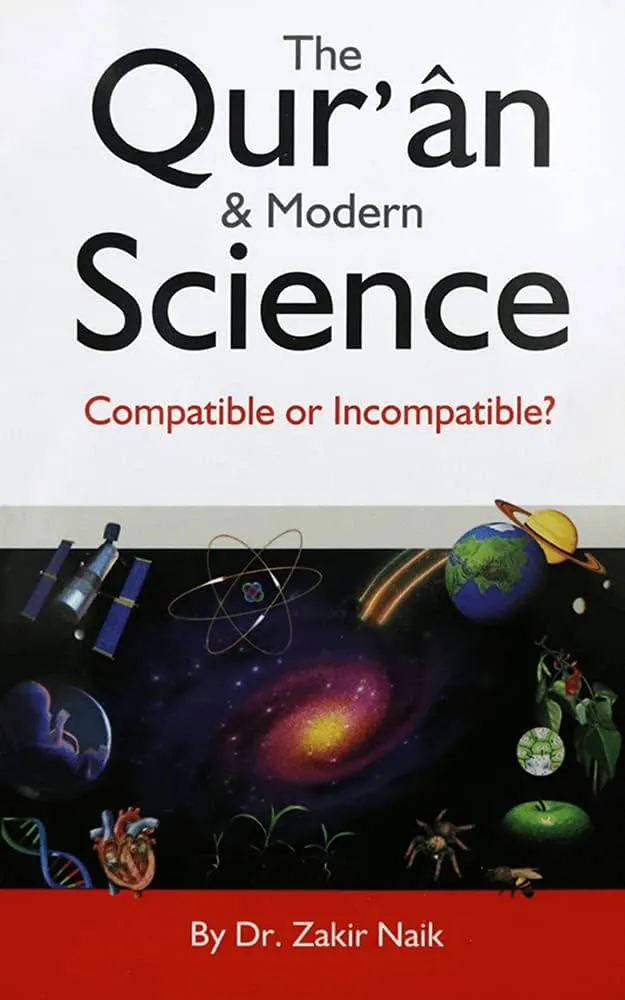
Since the earliest days of human existence, people have sought to understand nature, their place in creation, and the purpose of life. Across centuries and civilizations, organized religion has profoundly shaped human life and directed the course of history. Some faiths rest on books their followers believe to be divinely revealed, while others rely solely on human experience. The Qur'an, the central text of Islam, is regarded by Muslims as entirely divine in origin and as guidance for all humanity. Because its message is believed to apply to every era, it should remain relevant to each age—and this book asks whether it meets that test.
The author sets out to examine the Muslim belief in the Qur'an's divine origin objectively, in light of established scientific discoveries. He notes that earlier periods of civilization often placed miracles, or what were taken for miracles, above reason and logic. He then asks how a miracle should be defined: it is an event outside the normal course of life that humans cannot explain. Yet caution is needed before accepting such claims. A 1993 article in The Times of India reported that a self-styled saint, Baba Pilot, claimed to have remained submerged in a tank of water for three days and nights. When reporters asked to inspect the bottom of the tank, he refused, asking how anyone could examine a mother's womb. The author concludes that Baba Pilot was concealing something and that the feat was merely a publicity stunt.