Select Format / Edition
Book Details
- Language
- English
- Paper Quality
- 80gsm Off-White Creamy Pages
Synopsis
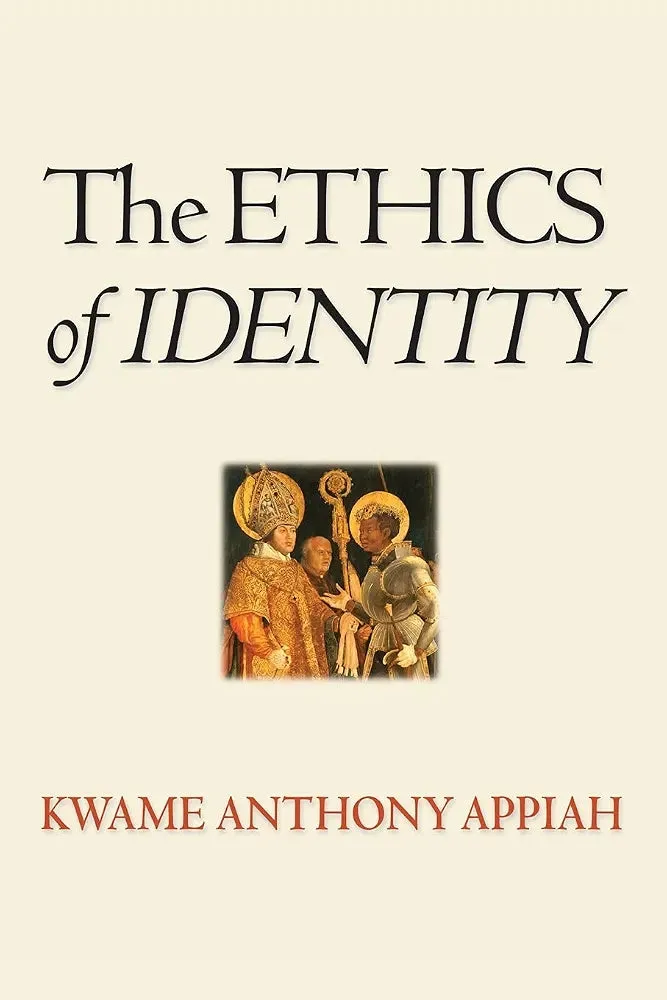
Race, ethnicity, nationality, religion, gender, sexuality—over the past few decades, these collective identities have drawn intense attention, demanding recognition and respect, sometimes at the cost of other things we hold dear. Yet how far do such identities limit our freedom and our capacity to shape an individual life, and how far do they make our individuality possible? In this elegantly written work, the renowned philosopher and African Studies scholar Kwame Anthony Appiah draws on thinkers across the ages and around the world to pursue these questions. The Ethics of Identity takes seriously both the claims of individuality—the task of making a life—and the claims of identity, those broad and often abstract social categories through which we define ourselves.
What kind of life one ought to lead has occupied moral and political thinkers from Aristotle to Mill. Appiah develops an account of ethics in just this venerable sense—one that links moral obligation to collective allegiance, and our individuality to our identities. As he observes, the question of who we are has always been bound up with the question of what we are. Working from a broadly interdisciplinary perspective, he targets the clichés and received ideas on which talk of identity so often founders. Is "culture" a good? Does the concept of culture actually explain anything? Is diversity valuable in itself? Are moral obligations the only kind there are? Has the rhetoric of "human rights" been stretched too far?
In the end, Appiah's arguments make it harder to see the world as split between the West and the Rest, between locals and cosmopolitans, between Us and Them. The result is a new vision of liberal humanism—one spacious enough to accommodate the vagaries and variety that make us human.


