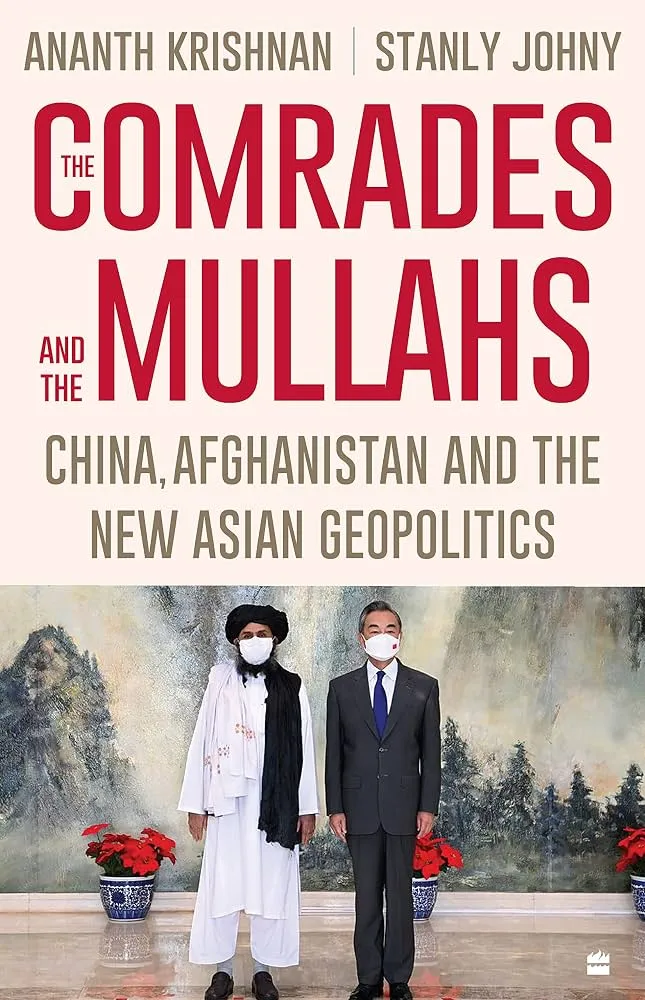
The Comrades and the Mullahs: China, Afghanistan and the New Asian Geopolitics
By Stanly Johny
৳380 ৳580
Select Format / Edition
Book Details
- Language
- English
- Paper Quality
- 80gsm Off-White Creamy Pages
Synopsis
The United States' exit from Afghanistan has reshaped the country's future and the wider geopolitics of Asia, while thrusting China into the spotlight. This book charts China's rise as a major actor in Afghanistan and the evolution of its Afghan policy, particularly its dealings with the Taliban. Beijing's dominant role in Afghanistan's future could prove a game-changing development in Asian geopolitics, even as questions linger over how far China is willing to step into the vacuum and the limits of its ambitions. Ananth Krishnan and Stanly Johny explore what Beijing's interests are and what drives its foreign policy, and more specifically how the Belt and Road Initiative is shaping China–Afghan relations.
The authors trace how Afghanistan has become a key point on the corridor running west from Xinjiang, and they examine the Xinjiang factor through their travels to China's western frontiers as well as the internal dynamics propelling Beijing's westward push. Another element is the East Turkestan Islamic Movement and the terror groups behind an increasingly securitized approach to China's western regions and beyond, including possible Chinese plans to deploy special forces along the China–Afghan border in the Wakhan corridor and Badakhshan region. China's Afghan engagement has also deepened its "all-weather" alliance with Pakistan, with Beijing leaning ever more on Islamabad—especially in its outreach to the Taliban and other Afghan elements long backed by the Pakistani state—a relationship that remains a perennial source of friction between Islamabad and Kabul. The authors show how this growing closeness alarms India and could have far-reaching consequences, particularly in Kashmir.


