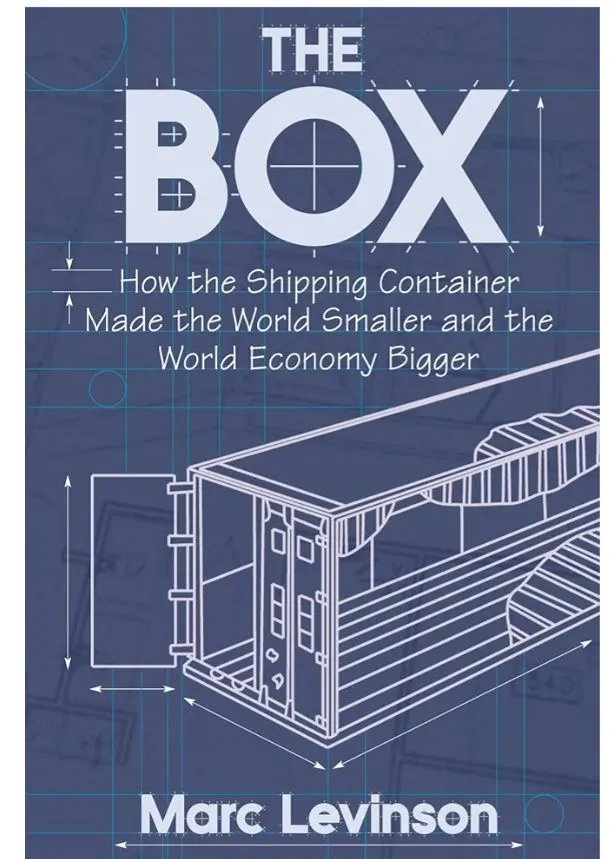
The Box: How the Shipping Container Made the World Smaller and the World Economy Bigger
৳410 ৳650
Select Format / Edition
Book Details
- Language
- English
- Paper Quality
- 80gsm Off-White Creamy Pages
Synopsis
In April 1956, a converted oil tanker hauled fifty-eight containers from Newark to Houston—a modest run that seeded an industry capable of fueling the great expansion of global trade. This book traces the container's invention, the decade of resistance before it caught on, and the far-reaching economic effects of the steep drop in transport costs that containerization delivered.
Marking fifty years since that first voyage, it offers the first full history of the shipping container, showing how the vision and persistence of an unconventional entrepreneur, Malcom McLean, turned an impractical notion into a vast industry that cut the cost of moving goods worldwide and opened the way for the boom in international commerce. Yet the container did not arrive on its own. Its rise demanded enormous capital from private investors and from ports eager to lead in a new technology, years of hard bargaining with two powerful labor leaders, Harry Bridges and Teddy Gleason, and painstaking talks over standards that would let almost any container move on any truck, train, or ship. In the end, it was McLean's success supplying U.S. forces in Vietnam that convinced the world of the container's promise.
Drawing on previously overlooked sources, economist Marc Levinson shows how the container reshaped economic geography—undermining old ports like New York and London while spurring the growth of once-obscure ones like Oakland. By making shipping so cheap that factories could sit far from their customers, it cleared the path for Asia to become the world's workshop and gave consumers an unimaginable variety of low-cost goods from across the globe.


