Select Format / Edition
Book Details
- Language
- English
- Paper Quality
- 80gsm Off-White Creamy Pages
Synopsis
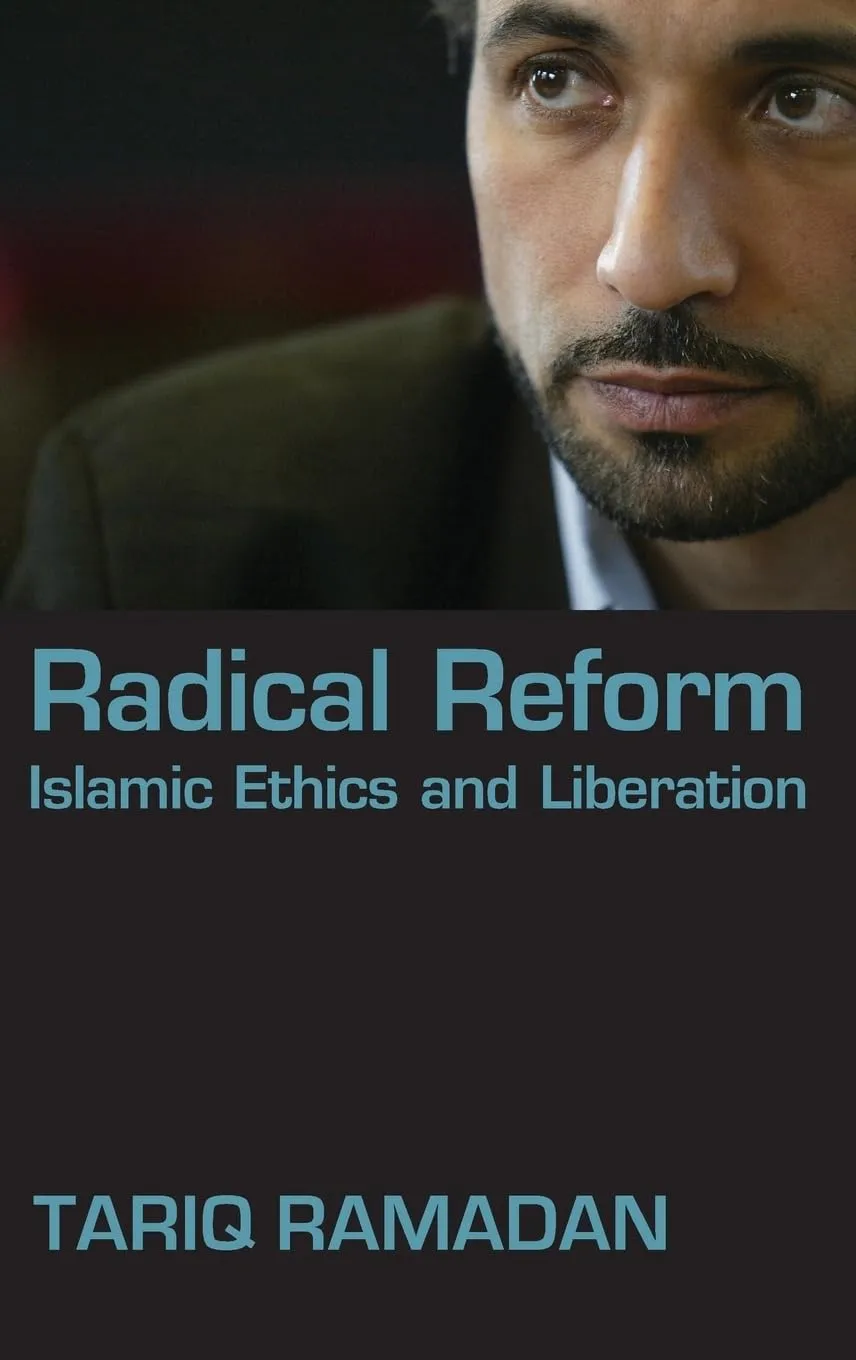
Tariq Ramadan stands among the leading reformist voices in Western Islam, known for calling on Muslims to take full part in the civic life of the societies where they live. In this book he speaks to Muslim communities everywhere with a bold appeal for radical reform, pushing back against those who insist defensively that reform is a foreign deviation, a dangerous betrayal of the faith. Genuine reform, he contends, has always been rooted in Islam's textual sources, its spiritual aims, and its intellectual heritage. Yet reformist movements that reread the texts through traditional methods and categories have produced only adaptive responses to the pressures of a globalizing world—approaches that, in his view, have exhausted their usefulness.
Ramadan urges a reform that moves past adaptation toward bold, creative solutions capable of reshaping the present and future of our societies. This approach questions the long-established sources, categories, higher objectives, tools, and methods of Islamic law and jurisprudence, along with the authority that this traditional map of knowledge has conferred on textual scholars. He proposes a new map that redefines the sources and the spiritual and ethical aims of the law, making room for the authority of scholars in the social and hard sciences—equipping this transformative project with the spiritual, ethical, social, and scientific knowledge that contemporary challenges demand. Radical reform, he argues, requires not only the equal contributions of scholars of the text and of the context but also the critical engagement and creative imagination of ordinary Muslims. His proposal dramatically shifts where authority resides, and it is certain to stir controversy and debate among Muslims and non-Muslims alike.