Select Format / Edition
Book Details
- Language
- English
- Paper Quality
- 80gsm Off-White Creamy Pages
Synopsis
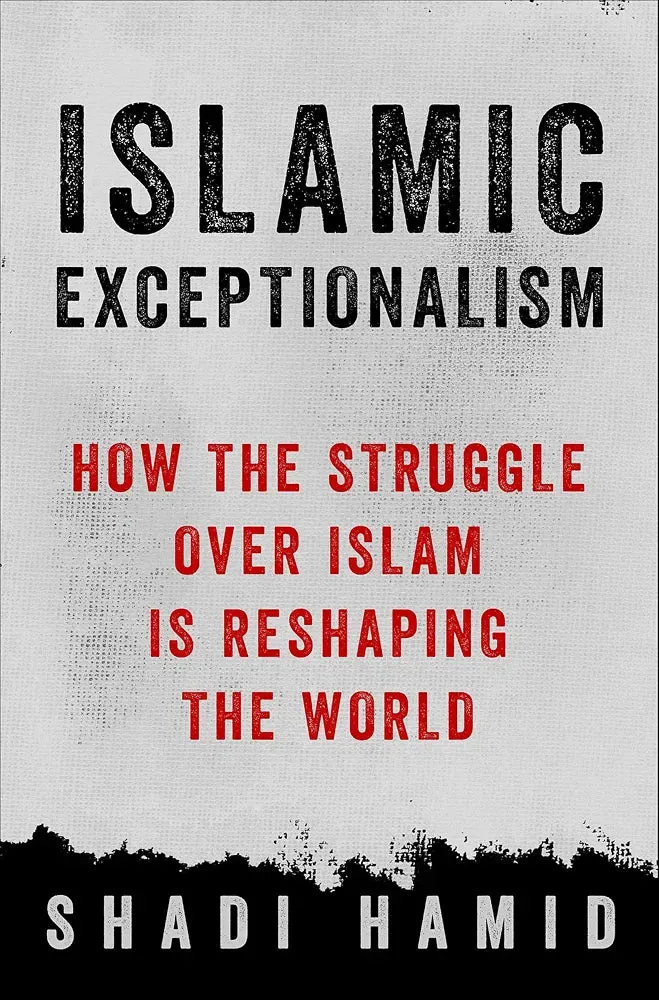
Shadi Hamid, a scholar at the Brookings Institution, makes a bold and provocative case that Islam is genuinely "exceptional" in its relationship to politics—and that this fact carries deep consequences for how we should think about the Middle East's future. The divisions among citizens in the region, he contends, are not merely contests for power but stem from fundamental disagreements over the very nature and purpose of the modern nation-state, along with the persistent and troubling question of what role religion should play in public life. To illuminate how Islam and Islamism shape politics, Hamid examines various models for reckoning with the religion-and-state dilemma, including the horrifying and disturbingly effective example of ISIS.
Drawing on unprecedented access to Islamist activists and leaders throughout the region, Hamid offers a sweeping and ambitious account of the region's descent into violence. The book stands as a vital contribution to our understanding of Islam's past and present and its outsized influence on modern politics. We may not like it, Hamid insists, but we must understand it—because Islam, both as a faith and as an idea, will keep shaping not only the Middle East but the West as well in the decades ahead.