Select Format / Edition
Book Details
- Language
- English
- Paper Quality
- 80gsm Off-White Creamy Pages
Synopsis
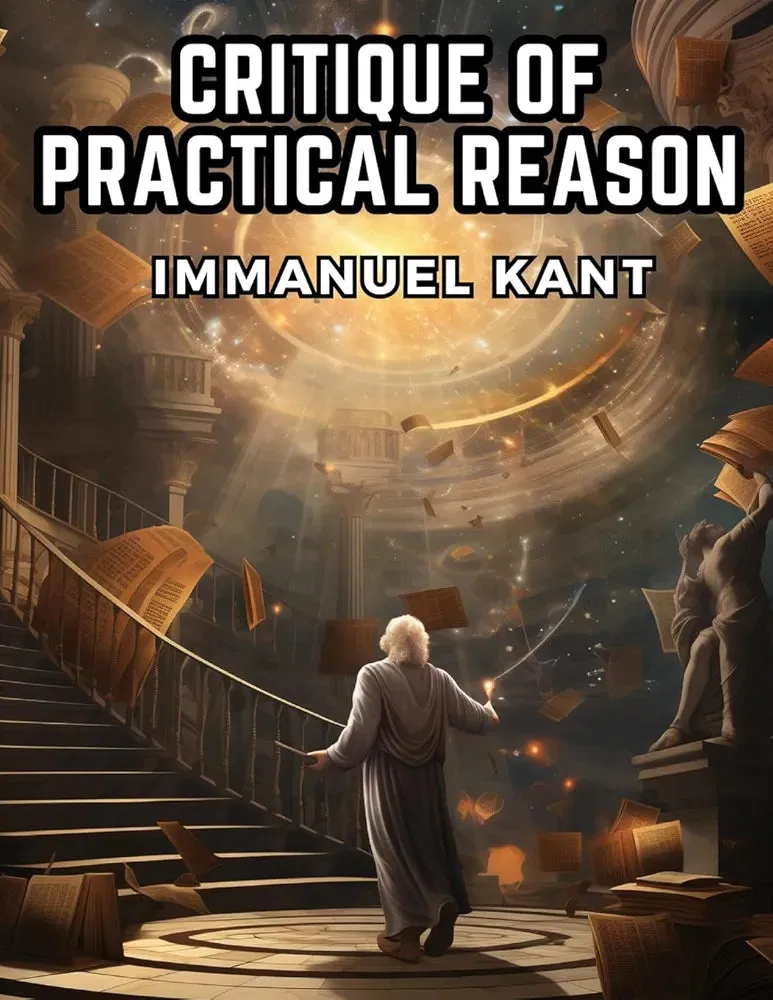
Immanuel Kant’s Critique of Practical Reason, published in 1788, is the second of his three major critiques, situated between the Critique of Pure Reason and the Critique of Judgment. The work is devoted to moral philosophy and offers Kant’s systematic account of practical reason and ethics. At its center lies his ethical theory, organized around what he calls the categorical imperative: moral principles, he argues, are grounded in reason itself rather than in empirical or contingent factors. The categorical imperative is presented as a universal moral law commanding certain actions simply because they are rational, independent of any particular desires or goals, and it insists on treating individuals as ends in themselves rather than as means to an end.
Kant places strong emphasis on human freedom and autonomy, holding that moral principles must be freely chosen by rational agents and that truly moral actions are performed from a sense of duty rather than inclination. He famously claims that the only thing good without qualification is the good will, and that actions possess moral worth not through their consequences but through the intentions behind them—a morally good action is one done in accordance with duty and guided by moral duty rather than self-interest. He also discusses the postulates of practical reason—God, immortality, and freedom—which, though not theoretically provable, are necessary assumptions for the practical conduct of moral life. Individuals, Kant argues, have a moral duty to follow the moral law, and this duty is the highest principle governing human action; he rejects consequentialist ethics and grounds morality in duty.
A landmark in the history of moral philosophy, the Critique of Practical Reason has profoundly influenced later ethical theory and is regarded as a seminal text in the development of deontological ethics, which focuses on the inherent rightness or wrongness of actions rather than their outcomes.