Select Format / Edition
Book Details
- Language
- English
- Paper Quality
- 80gsm Off-White Creamy Pages
Synopsis
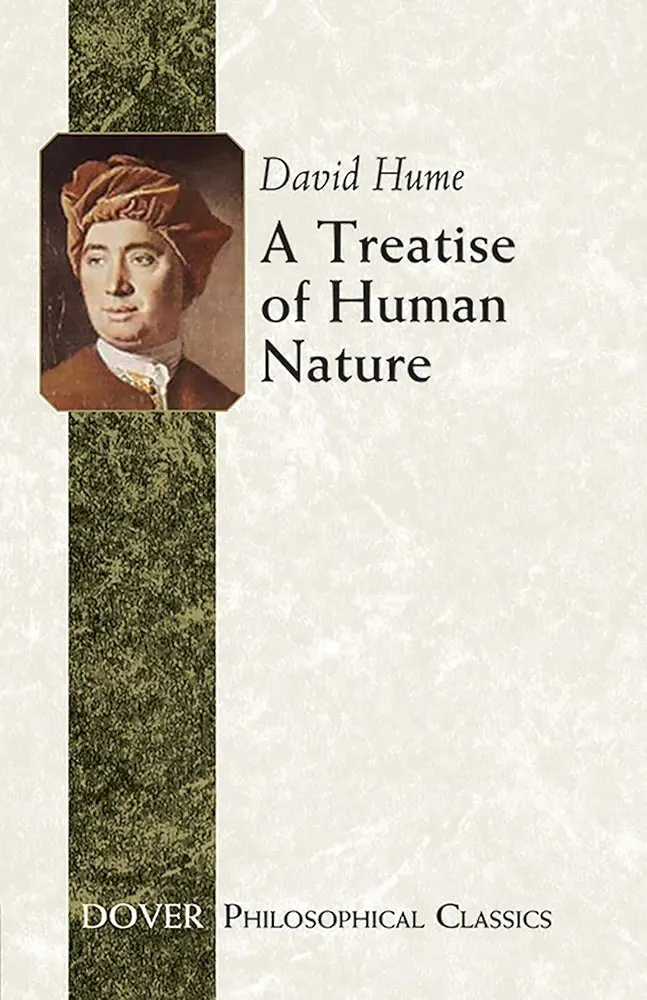
David Hume’s landmark three-volume A Treatise of Human Nature, published in the mid-eighteenth century and initially met with indifference—the author himself remarked that it “fell dead-born from the press”—has nonetheless endured and profoundly shaped later philosophical thought. Kant famously credited Hume with having “interrupted my dogmatic slumber and gave my investigations in the field of speculative philosophy a quite new direction.” Hume conceived the work as an observationally grounded study of human nature, drawing on John Locke’s empiricist principles to build a theory of knowledge that could serve as a foundation for evaluating metaphysical ideas.
Presented here in a single volume, the Treatise opens with an inquiry into the nature of ideas—their origins and connections, modes and substance, and abstract qualities. Its discussions of existence, knowledge, and identity examine how people rely on these concepts as the basis for firm but unproven beliefs. The second part turns to the passions, from pride and humility to contempt and respect, analyzing the roles they play in human choices and actions. The book closes with a meditation on morals and a detailed account of the perceived distinctions between virtue and vice.
One of philosophy’s most important works and a key to modern studies of eighteenth-century Western thought, A Treatise of Human Nature is essential reading for all students of philosophy and history.